






The Rise and Evolution of Tabletop Games
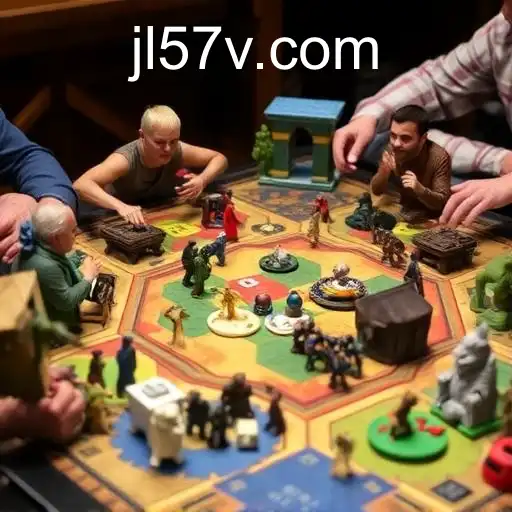
The Rise and Evolution of Tabletop Games
Tabletop games have always intrigued enthusiasts with their blend of strategy, skill, and a touch of luck. Over the years, they have evolved, offering players a wide range of experiences from casual play to intense strategic encounters. The evolution of these games mirrors cultural shifts, technological advancements, and the human penchant for storytelling and competition.
The Historical Roots of Tabletop Games
Long before digital games came to the forefront, people gathered around tables to compete, collaborate, and experience epic tales through game pieces, cards, and boards. Historically, games like chess and backgammon laid the foundation for competitive play, shaping strategic thinking and social interaction.
Chess, one of the oldest known games, blends strategy, tactics, and foresight. Emerging from ancient India, it symbolized the art of war, challenging players to protect their king while launching strategic attacks. This timeless classic exemplifies how tabletop games have transcended time and geography.
Tabletop Games and Their Narrative Power
The ability of tabletop games to tell stories is one of their most captivating elements. Role-playing games (RPGs), such as Dungeons & Dragons, allow players to navigate complex worlds, make moral decisions, and build dynamic characters. This narrative depth has attracted a diverse fan base eager to explore new realms and stories.
Role-playing games often serve as collaborative storytelling endeavors. Players immerse themselves in fantastical environments, guided by a game master who orchestrates the setting and events. This collaborative narrative experience is unique to tabletop games, highlighting their ability to spark imagination and creativity.
The Modern Era of Tabletop Games
In recent years, tabletop games have undergone a renaissance, paralleling the rise of digital gaming. Despite the growing popularity of video games, the tactile and social nature of tabletop games keeps them relevant and beloved. Modern classics like Settlers of Catan and Ticket to Ride have found audiences worldwide, combining strategy with accessible gameplay.
Settlers of Catan, known for its resource management and negotiation mechanics, marked a shift in design philosophy. It focuses on player interaction and strategic planning, offering endless replayability. Ticket to Ride, with its simple yet strategic route-building mechanics, became an international sensation, proving that the appeal of tabletop games knows no bounds.
Innovations in Tabletop Game Design
Contemporary designers continue to push the boundaries of tabletop gaming, integrating innovative mechanics and themes. The incorporation of technology is a notable trend. App-integrated games like Mansions of Madness blur the line between digital and physical, offering dynamic scenarios and adaptive challenges.
Moreover, the emphasis on inclusivity and representation within games has led to diverse themes and narratives. Designers strive to create experiences that resonate with a wide array of players. This approach broadens the appeal of tabletop games, welcoming new demographics into the fold.
The Community and Cultural Impact of Tabletop Games
Tabletop games foster community building, bringing people together in shared experiences. Game conventions and local game nights provide venues for enthusiasts to meet, compete, and cooperate. These gatherings celebrate the creativity and diversity within the tabletop community.
Additionally, tabletop games have educational value, enhancing skills such as critical thinking, problem-solving, and communication. Educators use them as tools to engage students, making learning interactive and fun.
57V: The Future of Tabletop Gaming
As we look to the future, tabletop games are poised to continue their evolution, integrating new technologies and exploring avant-garde themes. The keyword "57V" symbolizes this forward-thinking approach, representing innovation within the industry.
Game designers are increasingly exploring unique mechanics and settings, reflecting global issues and diverse cultures. The push towards eco-friendly materials and sustainable practices is another emerging trend, aligning with broader environmental awareness.
Moreover, the digital age offers unprecedented opportunities for community building and innovation. Online platforms allow players to connect across distances, sharing strategies and experiences. Hybrid models that blend physical and digital elements promise to redefine how we interact with games, preserving the essence of tabletop gaming while embracing technological advancements.
Exploring WrathofOlympus: The Mythical Adventure Unveiled

Discover the immersive world of WrathofOlympus, a captivating game blending mythology, strategy, and adventure. This article delves into the game's introduction, description, and rules, offering insights into its connection with current events.
2026-03-13
Discover the Magical World of Aladdinslamp: An Intricate Game Featuring 57V

Explore the captivating universe of Aladdinslamp, a game fusing strategy with enchantment, designed around the intriguing keyword 57V. Learn about its unique gameplay, introduction, and the rules that have fascinated players globally.
2026-03-12
Discovering Thor2: A New Era in Gaming

Unveil the enchanting world of Thor2, an immersive gaming experience intertwined with mythology and strategic gameplay.
2026-03-11
BrutalSanta: A Unique Gaming Experience with Gameplay Dynamics

Dive into the action-packed world of BrutalSanta, where classic holiday themes meet intense, rule-based gameplay.
2026-03-10

 download apk/ios